

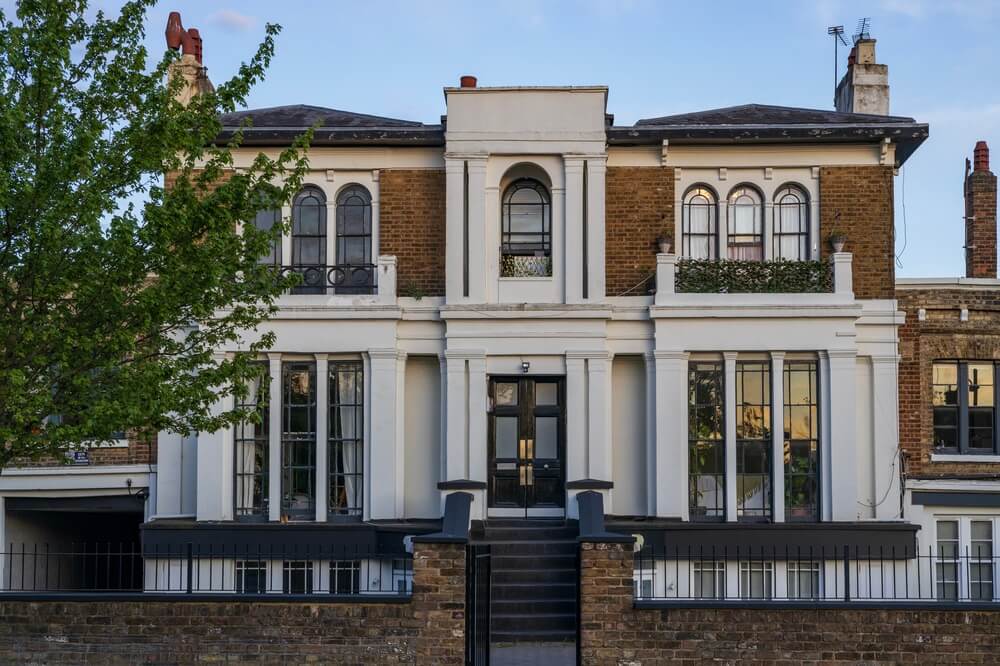
Further information has surfaced regarding the possible effects of the ‘mansion tax’ that was introduced in the most recent Budget.
Rachel Reeves’ initial two Budgets have thus far included announcements of tax-increasing measures with postponed implementation dates. For instance, the contentious modifications to inheritance tax (IHT) concerning business and agricultural relief were revealed in October 2024, yet they have only recently come into effect. Likewise, the inclusion of pensions under the purview of IHT was announced concurrently, but will not take effect until 6 April 2027.
In her Autumn 2025 Budget, she outlined proposals for a High Value Council Tax Surcharge (HVCTS – also known as ‘mansion tax’) on properties valued at £2 million and above, set to begin in April 2028. Although there was limited information provided about this measure, a consultation was promised to occur ‘in the New Year.’ Up to this point, no information has been released by the Treasury; however, just prior to Easter, the Office for Budget Responsibility (OBR) presented its evaluation of the anticipated effects of the new tax.
These included some interesting nuggets:
- By 2028, the OBR thought the full value of the future HVCTS liability would be reflected in property prices. Although the OBR did not spell out the numbers, what this means in practice is that for every £1,000 of consumer price index (CPI)-linked HVCTS annual charge, the OBR expects a property’s value to drop by about £35,000. For the lowest £2,500 charge covering properties valued at £2–2.5 million, their value would drop by about £87,500, according to OBR theory.
- The OBR forecasts that there will be a bunching of prices just below each threshold, which would further lower prices for properties that would otherwise be just above a threshold. The OBR is on solid ground with this assumption, as it is exactly what happened when a single stamp duty rate was based on a house’s price.
| Property value in 2026 | HVCTS in 2028/29 |
| £2m to £2.5m | £2,500 |
| £2.5m to £3.5m | £3,500 |
| £3.5m to £5m | £5,000 |
| £5m + | £7,500 |
- One-in-five property owners (who are liable to the tax, rather than the occupiers) are expected to lodge an appeal, with a 40% success rate.
Perhaps the most telling point is that the new tax would initially raise only £400 million in 2028/29, hardly even a rounding error in Treasury accounting terms. Almost the same sum could have been generated by raising the standard rate of VAT from 20% to 20.04%, although the politics would have been much trickier.
We’ll have to wait and see if the OBR’s expectations pan out. Read more on HVCTS here.